Navigating the Skies: The Ultimate Guide to Autonomous Drone Delivery Liability Insurance

The logistics landscape is undergoing a monumental shift. From the rapid dispatch of life-saving medical supplies to the doorstep delivery of retail goods, unmanned aerial vehicles (UAVs) are transitioning from experimental novelties to vital infrastructure. However, as drone fleets multiply, so do the legal, financial, and operational risks associated with their flight. For commercial operators, navigating this uncharted airspace requires more than just advanced collision-avoidance technology; it demands a robust financial safety net. This is where autonomous drone delivery liability insurance becomes an indispensable asset for modern enterprise.
As regulatory frameworks like the Federal Aviation Administration’s (FAA) Part 107 and Beyond Visual Line of Sight (BVLOS) waivers continue to evolve, the commercial drone industry is scaling rapidly. However, scaling safely requires a deep understanding of liability, risk mitigation, and specialized insurance products tailored to autonomous operations.
Understanding Autonomous Drone Delivery Liability Insurance
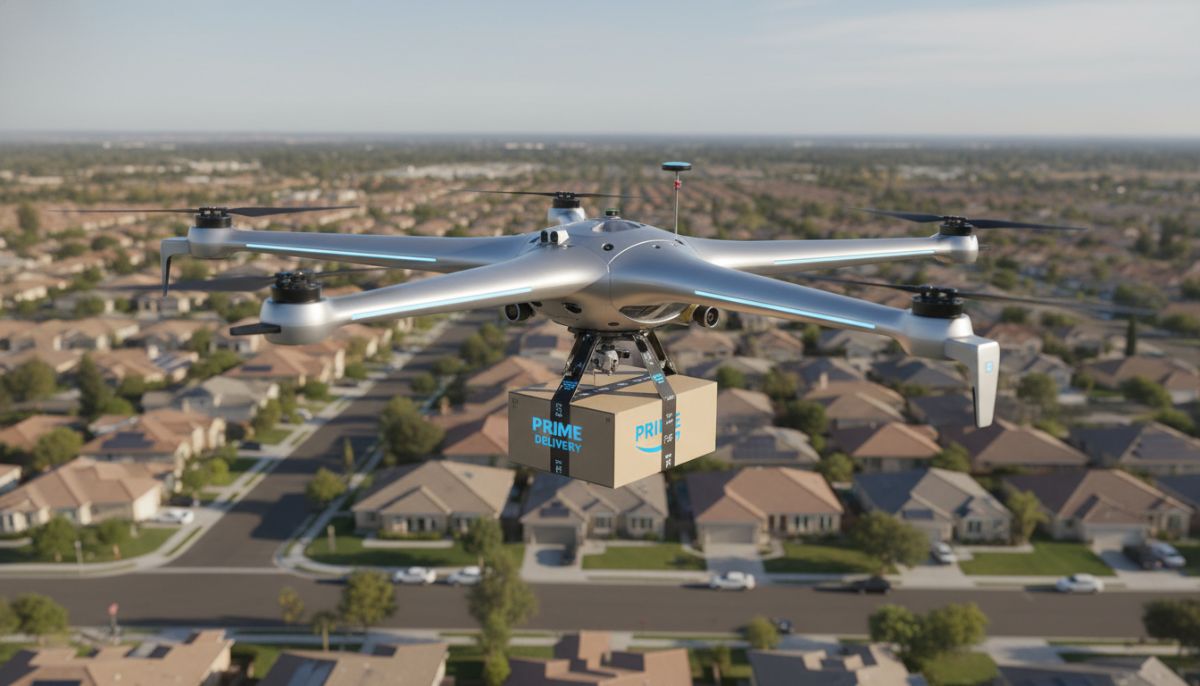
Unlike traditional piloted aircraft or manually operated recreational drones, autonomous delivery drones rely on pre-programmed algorithms, real-time sensor data, and artificial intelligence to navigate complex urban and suburban environments. If a drone suffers a system failure, collides with an obstacle, or drops a payload, determining liability is highly complex.
Autonomous drone delivery liability insurance is a specialized category of aviation insurance designed to protect operators, manufacturers, and service providers from third-party bodily injury, property damage, and distinct operational liabilities unique to autonomous flight. This insurance ensures that businesses can absorb the financial shocks of unexpected accidents without jeopardizing their entire operation.
Why Standard Commercial General Liability (CGL) is Insufficient
Many emerging logistics companies mistakenly assume that standard Commercial General Liability (CGL) policies will cover their drone operations. In reality, most CGL policies contain strict “aircraft exclusions” that completely invalidate claims involving UAVs.
Even when drone endorsements are added to a standard CGL policy, they rarely account for the specific risk profiles of autonomous systems, such as cybersecurity breaches, software glitch liabilities, or invasion of privacy claims.
To highlight these differences, let us examine how standard coverage compares to specialized autonomous drone delivery liability insurance:
| Feature | Standard Commercial General Liability (CGL) | Specialized Autonomous Drone Liability Insurance |
|---|---|---|
| Aviation/UAV Exclusions | Typically excluded by default. | Explicitly covers unmanned aircraft operations. |
| Autonomous Flight Coverage | Non-existent; expects human pilot-in-command. | Fully covers AI-driven, automated, and BVLOS flights. |
| Third-Party Bodily Injury | Restricted to ground-based business operations. | Comprehensive coverage for aerial accidents and falling payloads. |
| Privacy & Trespass Claims | Highly limited or excluded. | Comprehensive coverage for accidental video/data capture. |
| Cyber & Signal Hijacking | Requires separate cyber policy. | Often integrated to cover signal loss, spoofing, and hijacking. |
Core Coverage Components of Drone Delivery Insurance
To build a comprehensive risk management strategy, businesses must understand the key components that make up a robust autonomous drone delivery liability insurance policy. A premium policy should address several distinct layers of risk:
1. Third-Party Bodily Injury and Property Damage
This is the cornerstone of any liability policy. If an autonomous drone experiences a motor failure and crashes into a pedestrian or a parked vehicle, this coverage handles the medical expenses, legal defense fees, and property repair costs. Given the weight of commercial drones and their payloads, potential damages can easily escalate into millions of dollars.
2. Privacy Liability and Trespass
Equipped with high-definition cameras, LiDAR, and various sensors to navigate safely, delivery drones constantly record environmental data. This raises significant privacy concerns. If a drone accidentally records footage of individuals in private spaces, the operating company could face severe lawsuits for invasion of privacy or trespass. Specialized liability insurance provides defense coverage for these exact scenarios.
3. Cyber and Command Link Liability
Autonomous drones rely heavily on GPS, cellular networks, and cloud infrastructure to execute their delivery missions. A malicious actor could potentially hack the control system, spoof the GPS signal, or intercept the command link, causing the drone to crash or be stolen. Cyber liability within drone insurance covers damages resulting from such unauthorized digital intrusions.
[IMAGE_PROMPT: A control room with multiple screens displaying real-time telemetry data, flight paths, and 3D maps of drones navigating an urban environment, professional and modern setup]
4. Payload Liability
In drone delivery, the cargo itself represents a significant risk. If a drone carrying hazardous materials, hot food, or heavy medical equipment drops its payload prematurely, it can cause severe ground damage. Payload liability protects the business from the financial fallout of cargo-related accidents.
“As the drone industry shifts from pilot-centric operations to fully autonomous, multi-drone fleet management, risk profiles transition from human-error liabilities to system, software, and cybersecurity liabilities. Insurance underwriters must evaluate the algorithm as much as the airframe.”
Key Factors Influencing Insurance Premiums
Underwriters calculate premiums for autonomous drone delivery liability insurance by assessing several critical risk vectors. Understanding these factors can help operators optimize their systems to secure lower rates:
- Operational Environment (Density and Geography): Flying over densely populated urban areas carries a significantly higher risk profile than delivering goods in rural or industrial zones. Consequently, urban delivery fleets command higher premiums.
- Level of Autonomy & System Redundancy: Drones equipped with redundant motors, dual-battery systems, backup GPS modules, and autonomous parachute recovery systems are viewed as substantially safer by insurers.
- BVLOS and Regulatory Approvals: Operators who have secured formal FAA waivers (or equivalent national aviation authority approvals) and possess clean flight logs demonstrate a commitment to safety that translates directly to lower insurance costs.
- Data Logging and Telemetry Capabilities: Companies that maintain meticulous, cloud-based flight logs, predictive maintenance records, and real-time telemetry data provide insurers with the transparency needed to price risk accurately.
[IMAGE_PROMPT: Close-up of a maintenance technician inspecting the propellers and sensors of a high-end autonomous delivery drone in a clean, modern workshop, industrial setting]
The Underwriting Challenge: A Data-Driven Future
One of the biggest hurdles currently facing the drone insurance sector is the relative lack of historical actuarial data. Unlike commercial aviation, which has over a century of safety data to draw upon, commercial autonomous drone delivery is a young industry.
As a result, forward-thinking insurers are partnering with drone manufacturers and software providers to access real-time diagnostic data. By analyzing simulated flight hours, edge-case software performances, and sensor reliability rates, underwriters are developing dynamic pricing models. In the near future, we may see real-time, pay-as-you-fly insurance premiums that adjust based on weather conditions, flight paths, and real-time drone health metrics.
Best Practices for Drone Operators to Mitigate Risk
To secure the best possible autonomous drone delivery liability insurance coverage, commercial operators should implement the following industry best practices:
1. Establish a Safety-First Culture: Implement rigorous standard operating procedures (SOPs) for pre-flight inspections, maintenance schedules, and emergency fallback protocols.
2. Invest in Cyber Defense: Encrypt all command-and-control links, utilize secure GPS transmitters, and conduct regular penetration testing on the fleet’s software architecture.
3. Utilize Parachute Recovery Systems (PRS): Equipping delivery UAVs with automated parachutes drastically reduces the kinetic energy of a falling drone, mitigating potential ground injuries and lowering liability risks.
4. Maintain Comprehensive Documentation: Keep detailed records of every flight, including battery cycles, software updates, weather conditions, and any system anomalies.
Conclusion: Insuring the Flight Path of Tomorrow
Autonomous drone delivery is no longer a futuristic concept; it is an active market segment poised for exponential growth. However, the commercial viability of this industry hinges on the ability of operators to manage systemic risks.
Securing tailored autonomous drone delivery liability insurance is not merely a regulatory box to tick—it is a strategic business necessity. By transferring the financial risks of third-party injuries, property damage, privacy claims, and cyber-attacks to robust insurance providers, drone logistics companies can confidently scale their operations, push technological boundaries, and safely deliver the future.