Revolutionizing Insurtech: The Rise of Biometric-Authenticated Claim Processing Systems

Introduction
The global insurance sector is undergoing an unprecedented digital transformation. Historically plagued by slow processing times, paper-heavy documentation, and a high vulnerability to fraudulent activities, modern insurers are turning to advanced technological paradigms. Among these innovations, biometric-authenticated claim processing systems stand out as a pioneering solution designed to address security gaps and operational inefficiencies. By replacing traditional passwords and manual identity verification with immutable physical markers, these systems are redefining the baseline of trust and speed in modern financial transactions.
As customer expectations shift toward instantaneous digital experiences, insurance providers must adapt without compromising risk management protocols. Implementing biometric-authenticated claim processing systems allows organizations to streamline authentication workflows while ensuring robust security measures. This comprehensive analysis explores how this technology works, its core benefits, structural challenges, and the future outlook of biometric verification in the insurance industry.

[IMAGE_PROMPT: A futuristic digital interface showing a biometric fingerprint scan and facial recognition overlay on a smartphone, used for processing a secure insurance claim, clean corporate design, 8k resolution]
Understanding Biometric-Authenticated Claim Processing Systems
At its core, a biometric-authenticated claim processing system is an end-to-end framework that utilizes biological traits—such as facial features, fingerprints, iris patterns, or voice metrics—to verify a claimant’s identity during the claim submission and payout lifecycle.
Traditional systems rely on knowledge-based authentication (such as security questions or passwords) or possession-based authentication (such as ID cards or hardware tokens). Unfortunately, both approaches are highly vulnerable to social engineering, credential theft, and cyberattacks. In contrast, biometric-authenticated claim processing systems bind a claimant’s real-world identity to their digital record, establishing non-repudiation. This ensures that the individual submitting or receiving the claim is indeed the authorized policyholder.
The Underlying Technologies
These advanced architectures integrate several core technologies to perform smoothly:
- Facial Recognition Technology (FRT): Analyzes nodal points on a user’s face via mobile devices or webcams, applying advanced liveness detection to prevent spoofing with photos or videos.
- Fingerprint Scanning: Utilizes high-resolution sensor arrays embedded in smartphones or tablets to match localized minutiae points against registered database hashes.
- Voice Biometrics: Measures physiological properties of vocal tracts alongside behavioral patterns like speech cadence and pronunciation to authenticate users during phone-based claims reporting.
- Iris and Retina Scanning: Provides the highest level of accuracy by reading unique patterns deep within the eye, often utilized in high-value commercial claims processes.
- Multi-Modal Biometric Fusion: Rather than relying on a single biometric marker, systems will combine multiple identifiers—such as simultaneous facial and voice verification—to build impenetrable layers of defense.
- Decentralized Biometrics and Blockchain: Emerging concepts of Self-Sovereign Identity (SSI) allow users to store their biometric credentials locally on their smartphones via blockchain networks, granting them complete control over their identity without relying on centralized corporate servers.
- Behavioral Biometrics: Systems will analyze how a user physically interacts with a mobile device (keystroke dynamics, touchscreen pressure, and mouse movement speed) to continuously verify identity throughout the claim filing process, flagging anomalies in real-time.
The Strategic Benefits of Biometric Claim Processing
Integrating biometric-authenticated claim processing systems yields tangible improvements across operational, financial, and customer-centric metrics. By replacing friction-laden identity checks with seamless biological verification, insurers can achieve multidimensional optimization.
1. Unparalleled Fraud Prevention
Insurance fraud costs the global economy billions of dollars annually. Fraudulent activities range from identity theft and “ghost claims” (claims made under fabricated or deceased identities) to double-claiming on the same loss incident. Biometric-authenticated claim processing systems solve this problem by ensuring that biometric templates matched at the time of claim submission align perfectly with the telemetry recorded during policy sign-up. Because biometric data is incredibly complex and unique, it is nearly impossible for malicious actors to duplicate or spoof at scale.
2. Accelerated Operational Turnaround (Straight-Through Processing)
Traditional claims require manual review, telephone verifications, and cross-referencing multiple documentation sources. By introducing automated biometric verification, insurers can confidently implement Straight-Through Processing (STP) for low-risk, high-frequency claims. When a user authenticates instantly via facial scan on their smartphone app, the system can automatically authorize and disburse funds, reducing claim lifecycles from several weeks to mere minutes.
3. Frictional Reduction and Improved Customer Experience (CX)
Modern consumers demand intuitive, fast, and secure digital interactions. Forcing users to remember complex passwords or hunt for physical policy papers during a stressful claim scenario damages customer satisfaction. Biometric solutions allow policyholders to access and manage claims with a single glance or tap, offering a highly convenient, modern user journey.
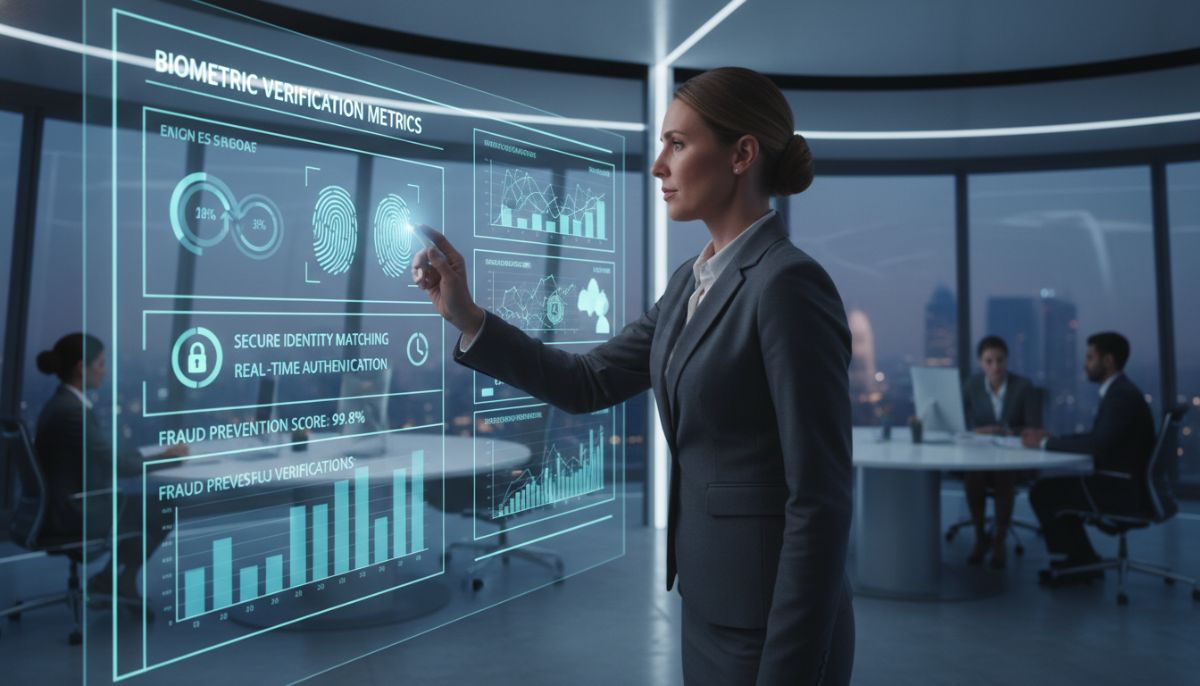
Comparing Traditional and Biometric-Authenticated Claim Processing
To fully comprehend the business case for these modern architectures, we must analyze how they perform against conventional verification methods. The table below illustrates the key differences between legacy systems and biometric-authenticated claim processing systems:
| Operational Dimension | Traditional Claim Systems | Biometric-Authenticated Systems |
|---|---|---|
| Verification Speed | Hours to several business days | Real-time (under 5 seconds) |
| Primary Authentication Vectors | Passwords, PINs, security questions, paper IDs | Facial recognition, fingerprints, voiceprints, liveness tests |
| Susceptibility to Identity Fraud | High (susceptible to phishing, social engineering) | Extremely Low (secured by physical, non-transferable data) |
| Operational Friction | High (requires manual verification agents and heavy paperwork) | Low (self-service oriented, mobile-first application) |
| Compliance Alignment | Moderate (subject to manual human error in KYC/AML checks) | High (automated logging, audit trails, and strict data mapping) |
| Infrastructure Capital Cost | Low (relying on legacy server databases) | Moderate to High (requires specialized biometric APIs & cloud storage) |
| Long-Term ROI | Low (continuous operational drag due to fraud and manual labor) | High (dramatic reduction in fraud losses and staff overhead) |
Step-by-Step Workflow of a Biometric Claim Process
Implementing a biometric-authenticated claim processing system requires structural alignment across several digital touchpoints. The standard workflow of a secure, modern claim lifecycle includes:
1. Policyholder Enrollment: During the initial policy onboarding, the user registers their biometric identifiers (e.g., a 3D face map) via a secure mobile app. This baseline data is converted into an encrypted, mathematical hash template and stored securely within an IAM (Identity and Access Management) vault.
2. Incident & Claim Initiation: When an incident occurs, the claimant logs into their mobile app. Rather than entering credentials, they authenticate via their device’s native biometric scanner (e.g., Apple FaceID or Android BiometricPrompt).
3. Liveness Verification: To guarantee the physical presence of the claimant, the application requests active liveness indicators, such as a blink, head rotation, or voice prompt. This acts as a robust defense against deepfakes or high-resolution photos.
4. Matching and Approval Engine: The captured biometric data is compared against the stored template hash. Once verified, the claim processing system triggers automated validation checks (verifying coverage limits, geographic metadata, and fraud risk score).
5. Secure Payout Execution: Upon successful verification and validation, the claim is approved, and financial systems disburse the funds directly to the verified policyholder’s account.
“The adoption of biometric-authenticated claim processing systems is no longer a luxury reserved for top-tier technology firms; it has evolved into a strategic necessity for any insurer aiming to survive in an era defined by zero-trust security and microsecond customer expectations.”
[IMAGE_PROMPT: Conceptual illustration of futuristic secure network nodes connecting biometric data points like iris, voice, and fingerprint to a digital vault, symbolizing absolute data security in insurtech]
Overcoming Implementation Challenges: Security, Privacy, and Compliance
While the advantages are undeniable, the deployment of biometric-authenticated claim processing systems is not without structural hurdles. Organizations must design architectures that prioritize data governance, regulatory compliance, and system accessibility.
1. Regulatory Compliance (GDPR, CCPA, and BIPA)
Biometric data is categorized as “Special Category Data” under the European Union’s General Data Protection Regulation (GDPR) and is heavily restricted by regional legislation like Illinois’ Biometric Information Privacy Act (BIPA) and the California Consumer Privacy Act (CCPA). Insurers must implement strict consent mechanisms, ensuring users know exactly how their data is captured, stored, and deleted. Under no circumstances should raw biometric images be saved; instead, organizations must store irreversible cryptographic hashes of the biometric templates.
2. Integration with Legacy Core Systems
Many established insurance enterprises still operate on legacy COBOL-based databases or fragmented, on-premise ERP platforms. Integrating modern biometric APIs into these old infrastructures requires robust middleware solutions, meticulous API mapping, and microservices-based architectures to prevent operational bottlenecks and security vulnerabilities.
3. Mitigating Bias and Accessibility Gaps
Biometric algorithms must be rigorously tested to eliminate demographic bias. For instance, early facial recognition models showed higher error rates on darker skin tones or under poor lighting conditions. Modern biometric-authenticated claim processing systems must utilize advanced machine learning algorithms trained on globally diverse datasets to guarantee equal accuracy, inclusivity, and accessibility for all demographic groups.
Future Trends: What Lies Ahead for Biometric Claim Processing?
The evolution of biometric-authenticated claim processing systems is rapidly accelerating, catalyzed by parallel technological breakthroughs. In the near future, we can expect several key developments:
Conclusion
Biometric-authenticated claim processing systems represent the future of risk mitigation, operational efficiency, and customer relations in the insurance industry. By replacing insecure, archaic authentication methods with immutable biological traits, insurers can effectively close the door on multi-million dollar fraud schemes while delivering the friction-free, instantaneous digital experiences that modern consumers demand.
While transition hurdles such as system integration, complex regulatory frameworks, and strict data privacy requirements must be carefully navigated, the return on investment is undeniable. As AI, blockchain, and decentralized identity paradigms continue to mature, the integration of biometric authentication will shift from a competitive edge to a baseline operational requirement for global insurance providers. Investing in these secure, highly integrated biometric frameworks today ensures that insurance firms remain secure, resilient, and consumer-focused tomorrow.